
 By
By Modern wellness is no longer defined by extreme routines or rigid diets. Instead, it revolves around balance, recovery, and sustainable habits. Among the many natural supplements gaining attention, CBD (cannabidiol) has emerged as a versatile addition to everyday health practices.
Derived from hemp, CBD is non-intoxicating and widely used for its potential to support relaxation, recovery, and overall well-being. When integrated thoughtfully, it can complement nutrition, exercise, sleep hygiene, and stress management strategies.
Understanding CBD and How It Works
CBD interacts with the body’s endocannabinoid system (ECS)—a regulatory network that helps maintain internal balance. The ECS influences:
- Mood stability
- Sleep cycles
- Immune responses
- Inflammatory processes
- Pain perception
Unlike THC, CBD does not produce a “high.” Instead, many users describe subtle effects such as calmness, improved focus, or physical ease.
Why CBD Fits into a Healthy Lifestyle
A healthy lifestyle is built on consistency. CBD can align with this framework in several ways.
Supporting Stress Management
Chronic stress disrupts sleep, appetite, and emotional balance. Many individuals use CBD to encourage a calmer mental state, especially when combined with:
- Deep breathing techniques
- Meditation
- Time outdoors
- Reduced screen exposure before bed
CBD is not a substitute for therapy or medical care, but it may complement stress-reduction routines.
Encouraging Restful Sleep
Quality sleep fuels recovery, metabolism, and cognitive performance. Some people incorporate CBD into their evening ritual to promote relaxation before bedtime.
Common practices include:
- Taking CBD oil 30–60 minutes before sleep
- Pairing it with herbal tea
- Maintaining consistent sleep and wake times
Aiding Post-Exercise Recovery
Active lifestyles can strain muscles and joints. CBD products such as topical creams or oral oils are often used after workouts.
Athletes and fitness enthusiasts frequently combine CBD with:
- Stretching sessions
- Adequate hydration
- Protein-rich meals
- Rest days
Different Ways to Take CBD
CBD is available in several forms, allowing flexibility based on personal preference and health goals.
1. CBD Oil Tinctures
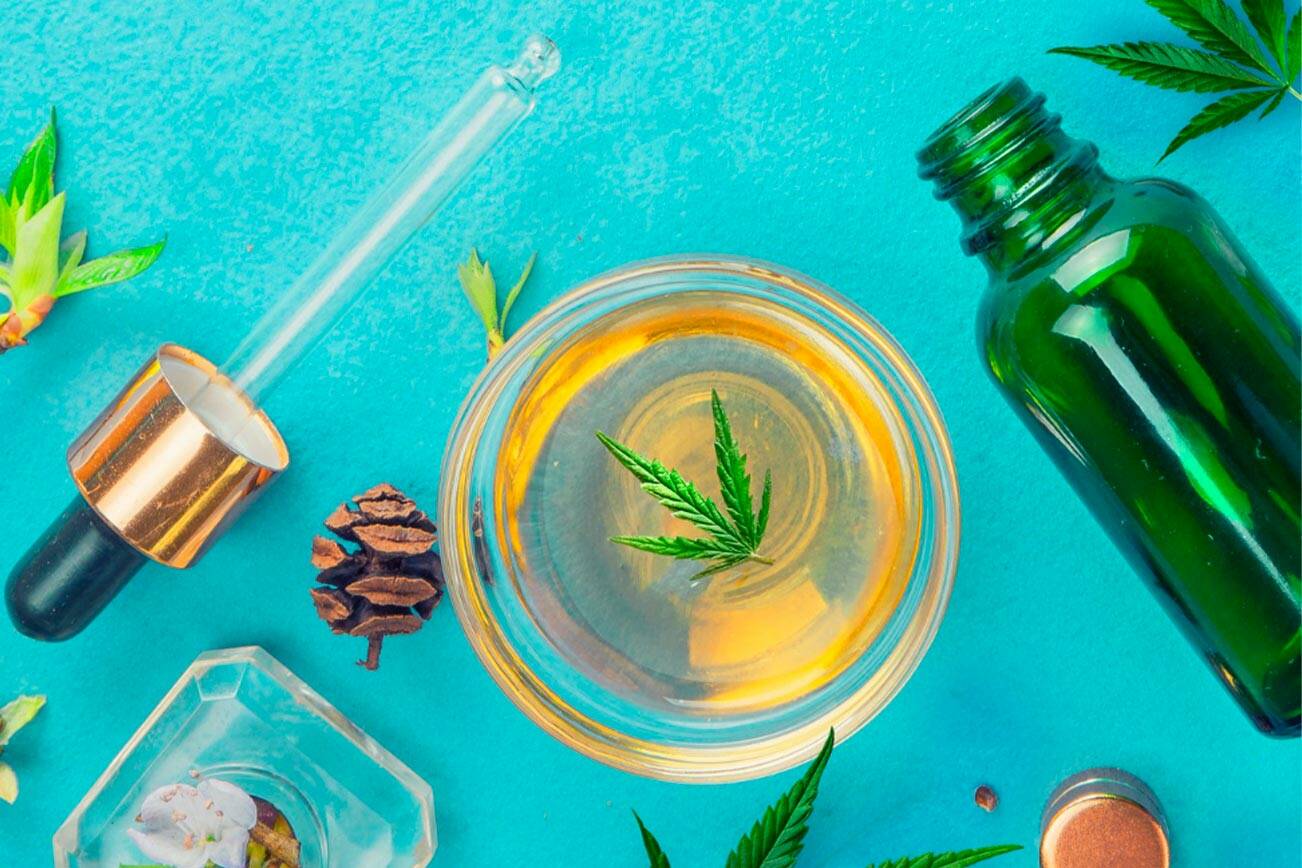
Placed under the tongue for faster absorption. Ideal for flexible dosing.
2. Capsules and Softgels
Convenient and discreet. Suitable for consistent daily use.
3. Edibles
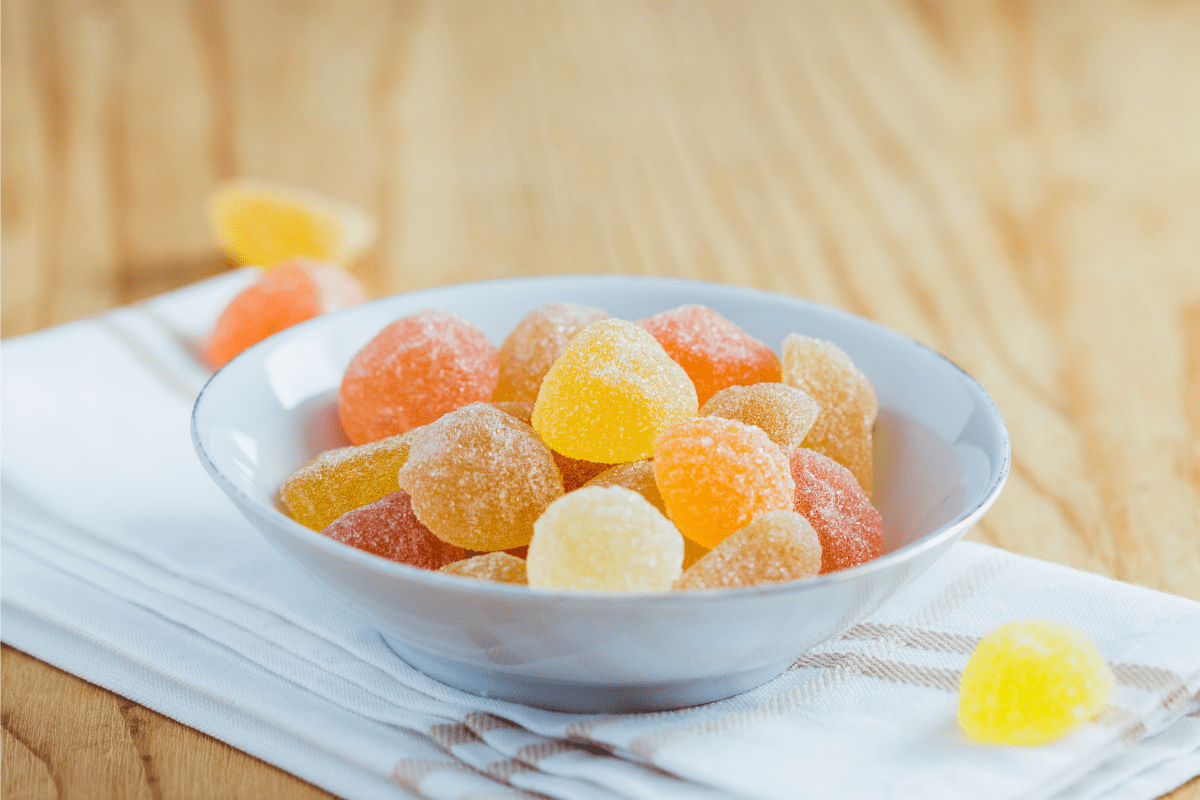
Gummies and infused snacks offer a pleasant taste but slower onset.
4. Topicals
Creams and balms applied directly to the skin for localized relief.
5. Beverages
CBD-infused drinks integrate easily into existing routines.
Choosing High-Quality CBD Products
Not all CBD products are created equal. Quality matters significantly when incorporating it into a wellness plan.
Look for:
- Third-party lab testing certificates
- Clear labeling of CBD content
- Hemp sourced from regulated farms
- Minimal artificial additives
- Transparent manufacturing processes
Full-spectrum, broad-spectrum, and CBD isolate options vary in cannabinoid content. Understanding these distinctions helps tailor choices to individual needs.
Creating a Balanced CBD Routine
Integrating CBD effectively requires intention rather than impulse.
Consider the following approach:
- Start with a low dose
- Monitor how your body responds
- Adjust gradually if needed
- Pair with healthy habits rather than relying on CBD alone
Consistency often produces better outcomes than sporadic use.
Safety Considerations
CBD is generally well tolerated, but it may cause mild side effects in some individuals, such as:
- Dry mouth
- Digestive discomfort
- Fatigue
- Changes in appetite
It may also interact with certain medications. Consulting a healthcare professional is especially important for those who are pregnant, nursing, or managing chronic conditions.
The Role of CBD in Holistic Wellness
True wellness encompasses physical, emotional, and mental health. CBD should be viewed as a supportive tool—not a cure-all. When combined with:
- Nutrient-dense foods
- Regular physical activity
- Meaningful social connections
- Stress management techniques
It can become part of a well-rounded lifestyle focused on sustainability rather than quick fixes.
Frequently Asked Questions (FAQ)
1. How long does it take for CBD to start working?
Onset time varies by method. Oils taken sublingually may act within 15–45 minutes, while edibles can take 1–2 hours due to digestion.
2. Can CBD be taken daily?
Yes, many individuals incorporate CBD into daily routines. Consistent dosing often provides more stable results than occasional use.
3. Will CBD show up on a drug test?
Pure CBD isolate typically should not trigger a positive result, but full-spectrum products containing trace THC may carry some risk.
4. Is CBD addictive?
Current research suggests CBD is not habit-forming and does not produce dependency.
5. Can CBD replace prescription medications?
CBD should not replace prescribed treatments without medical supervision. It may serve as a complementary addition under professional guidance.
6. What is the difference between hemp oil and CBD oil?
Hemp seed oil is extracted from seeds and contains little to no CBD. CBD oil is derived from the hemp plant’s flowers and leaves and contains active cannabinoids.
7. How should CBD be stored?
Store CBD products in a cool, dark place away from direct sunlight to maintain potency and shelf life.