 By
By Cats are creatures of habit. Even small changes—like a new visitor, loud noise, or altered routine—can cause visible stress. While prescription medications have their place, many pet owners prefer to start with natural calming alternatives that are gentle, accessible, and supportive of long-term emotional balance.
Below are evidence-informed, practical options to help reduce feline anxiety safely and effectively.
Understanding Signs of Stress in Cats
Before choosing a solution, it’s important to recognize when a cat may be anxious. Stress responses can be subtle or pronounced.
Common signs include:
-
Hiding more than usual
-
Excessive grooming or fur loss
-
Sudden aggression
-
Avoiding the litter box
-
Reduced appetite
-
Over-vocalization
Early intervention prevents stress from becoming chronic and affecting overall health.
Herbal Remedies for Calming
Certain herbs are widely used to promote relaxation in animals. When used correctly and in pet-safe forms, they can provide noticeable calming effects.
Catnip (Nepeta cataria)
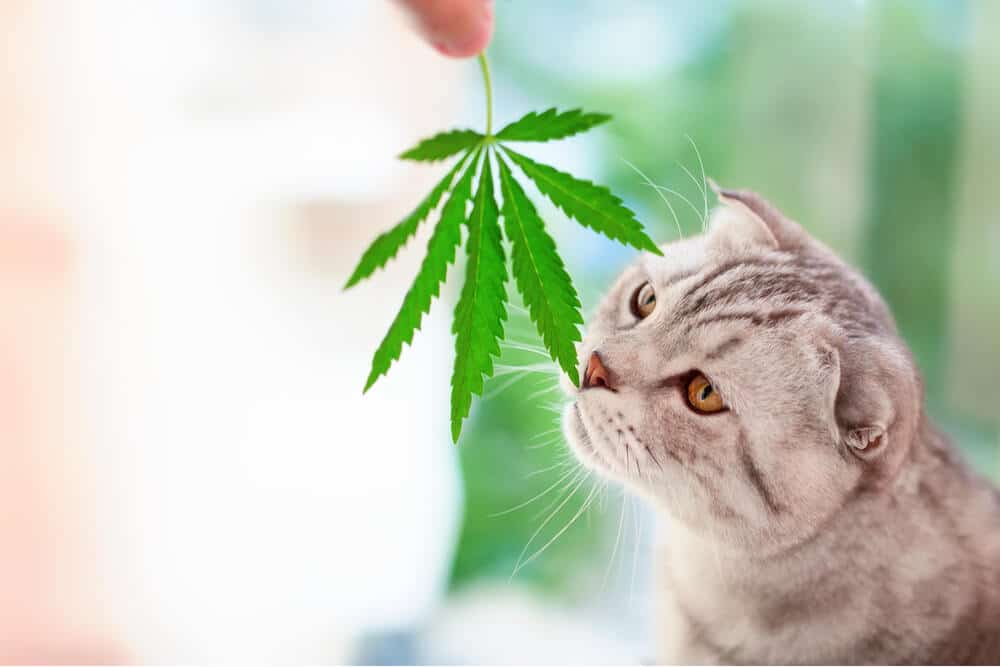
Although known for stimulating playful behavior, some cats experience a post-excitement phase of deep relaxation. Dried leaves or catnip-filled toys can help redirect nervous energy.
Chamomile
Often used in teas for humans, chamomile has mild sedative properties. In cats, diluted chamomile extracts (approved by a veterinarian) may soothe digestive upset linked to anxiety.
Valerian Root
Valerian can act as a natural relaxant. Interestingly, some cats initially appear energized before settling into a calmer state. Always use pet-formulated products.
Lavender (Used Carefully)
Lavender aroma may reduce environmental stress. However, essential oils should never be applied directly to a cat’s skin or used in high concentrations. Passive diffusion in well-ventilated areas is safer.
Pheromone Therapy
Synthetic feline pheromones mimic natural calming signals that cats release through facial glands.
Available formats include:
-
Plug-in diffusers
-
Sprays for bedding or carriers
-
Calming collars
These products are particularly helpful for:
-
Multi-cat households
-
Moving to a new home
-
Travel stress
-
Introducing new pets
Pheromone therapy is non-sedating and often effective within a few days.
Nutritional Support and Supplements
Diet directly influences mood and neurological balance.
Key calming nutrients include:
-
L-theanine – Promotes relaxation without sedation
-
Tryptophan – Supports serotonin production
-
Magnesium – Helps regulate the nervous system
-
Omega-3 fatty acids – Reduce inflammation linked to stress
Some commercial calming treats combine these ingredients in measured doses. Always confirm safety with a veterinarian before introducing supplements.
Environmental Enrichment
Stress often results from boredom or lack of stimulation. Improving the home environment can significantly reduce anxiety.
Provide Vertical Space
Cats feel secure when they can observe from above. Cat trees, shelves, and window perches offer both stimulation and safety.
Encourage Play
Interactive toys help release pent-up energy. Daily play sessions also strengthen the bond between cat and owner.
Create Safe Retreats
Covered beds or quiet corners give cats a place to decompress, especially in busy households.
Calming Touch and Behavioral Techniques
Physical and emotional reassurance can be powerful.
Gentle Brushing
Regular grooming sessions mimic social bonding behaviors seen in cats.
Consistent Routine
Feeding, play, and rest times should follow a predictable schedule. Stability reduces uncertainty.
Gradual Desensitization
If a specific trigger causes stress—such as car rides—introduce it slowly in positive, controlled steps.
Music and Sound Therapy
Research suggests that species-specific music designed for cats can lower heart rate and stress markers. Soft classical music or specially composed feline tracks may create a calmer atmosphere during stressful events like thunderstorms.
When to Seek Veterinary Advice
Natural methods are helpful for mild to moderate stress. However, consult a veterinarian if:
-
Anxiety becomes severe or persistent
-
Aggression escalates
-
Litter box avoidance continues
-
Physical symptoms accompany behavioral changes
Sometimes underlying medical issues mimic anxiety.
Frequently Asked Questions (FAQ)
1. How long do natural calming remedies take to work?
Some methods, like pheromone diffusers, may show effects within a few days. Nutritional supplements can take 2–4 weeks for full benefits.
2. Are calming treats safe for daily use?
Most veterinarian-approved calming treats are safe when used as directed. Always follow dosage guidelines based on weight.
3. Can kittens use natural calming alternatives?
Certain options, like environmental enrichment and pheromones, are safe for kittens. Herbal supplements should only be used under veterinary supervision.
4. Is it safe to diffuse essential oils around cats?
Cats are sensitive to essential oils. If used, they must be heavily diluted and diffused in a well-ventilated area. Direct contact is unsafe.
5. What is the safest first step for an anxious cat?
Start with environmental changes—provide hiding spaces, vertical areas, and consistent routines—before introducing supplements.
6. Do natural remedies replace prescription anxiety medication?
Not always. Severe anxiety may require medical treatment. Natural methods can complement professional care but should not replace it without guidance.
7. Can stress cause physical illness in cats?
Yes. Chronic stress can contribute to urinary problems, digestive upset, and immune suppression, making early management essential.