
 By
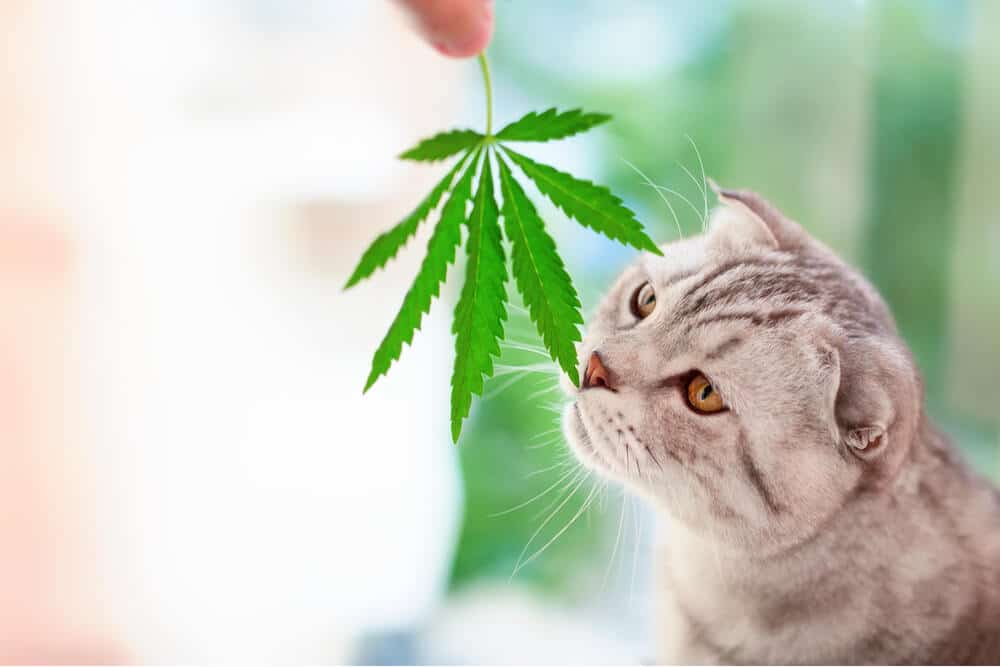
By The use of CBD (cannabidiol) in animals has grown rapidly as pet owners look for supportive wellness options. From easing situational stress to supporting joint mobility, CBD products are now widely marketed for dogs, cats, and even horses.
However, responsible use requires more than simply purchasing a bottle labeled “pet CBD.” Quality, dosage, veterinary guidance, and realistic expectations all play a role in ensuring safety and effectiveness.
Understanding CBD and How It Works in Animals
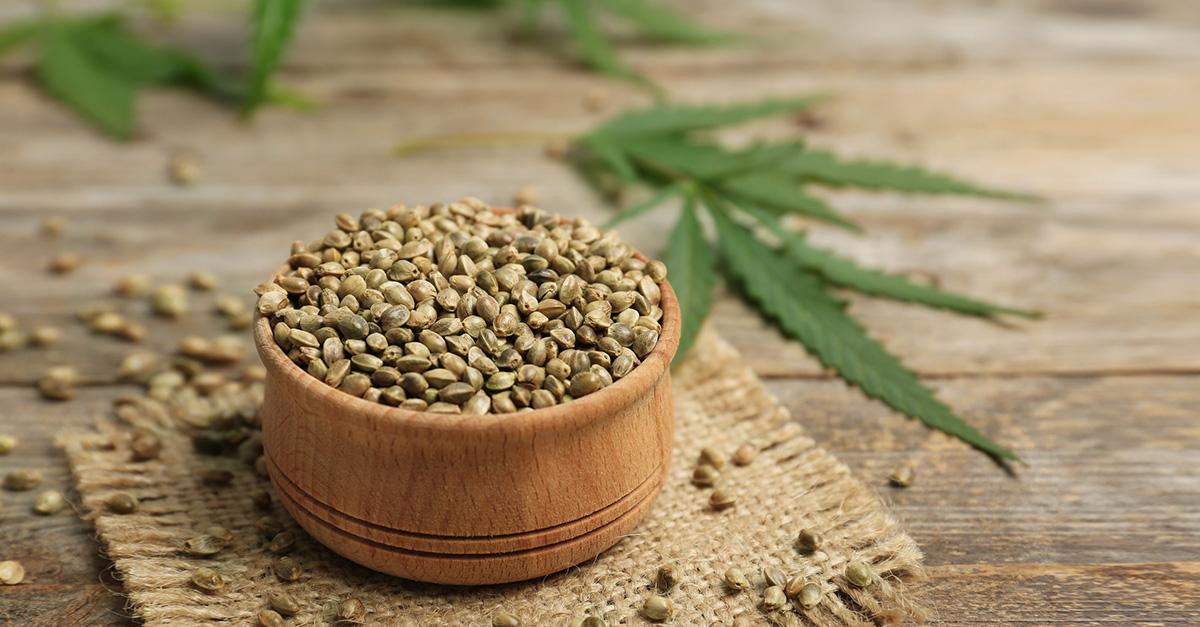
CBD is a non-intoxicating compound derived from hemp. Unlike THC, it does not produce a “high.” Animals, like humans, have an endocannabinoid system (ECS)—a network of receptors that helps regulate:
-
Mood and stress response
-
Pain perception
-
Inflammation
-
Sleep cycles
-
Appetite
CBD interacts indirectly with these receptors, potentially supporting balance within the body. Research in veterinary medicine is still developing, but early findings and clinical observations suggest potential benefits, particularly in dogs.
Potential Benefits of CBD for Pets
While CBD is not a cure or replacement for prescribed treatment, it may offer supportive care in certain situations.
1. Joint and Mobility Support
Older pets often experience stiffness and reduced mobility. Some studies in dogs suggest CBD may help support joint comfort when used consistently under veterinary supervision.
2. Anxiety and Stress Management
Pets may struggle with:
-
Thunderstorms
-
Fireworks
-
Separation anxiety
-
Travel stress
CBD may help promote calm behavior in some animals, though responses vary.
3. Seizure Support
Preliminary veterinary studies have examined CBD as an adjunct therapy for certain seizure disorders in dogs. Any use in this area must be closely managed by a veterinarian.
4. General Wellness
Some owners use CBD to support overall balance, particularly in aging pets. However, wellness claims should be approached carefully and realistically.
Choosing the Right CBD Product
Not all CBD products are equal. Responsible selection is critical.
Look for Third-Party Testing
Choose products that provide independent lab testing (COAs) verifying:
-
CBD concentration
-
Absence of THC above legal limits
-
No pesticides or heavy metals
-
No harmful contaminants
Ensure It’s Formulated for Animals
Avoid human CBD products unless approved by your veterinarian. Pet-specific formulations typically:
-
Exclude artificial sweeteners like xylitol (toxic to dogs)
-
Provide species-appropriate dosing guidance
-
Use pet-safe flavoring
Understand CBD Types
-
Full-spectrum: Contains multiple hemp compounds, including trace THC (within legal limits)
-
Broad-spectrum: Contains various compounds but no detectable THC
-
CBD isolate: Pure CBD only
Veterinarians may recommend one type over another depending on the pet’s condition and sensitivity.
Proper Dosing and Administration
Dosing is one of the most important aspects of responsible use.
Start Low and Go Slow
A common approach involves:
-
Beginning with a low dose based on body weight
-
Monitoring for 5–7 days
-
Gradually adjusting if necessary
Never exceed recommended guidelines without professional guidance.
Administration Methods
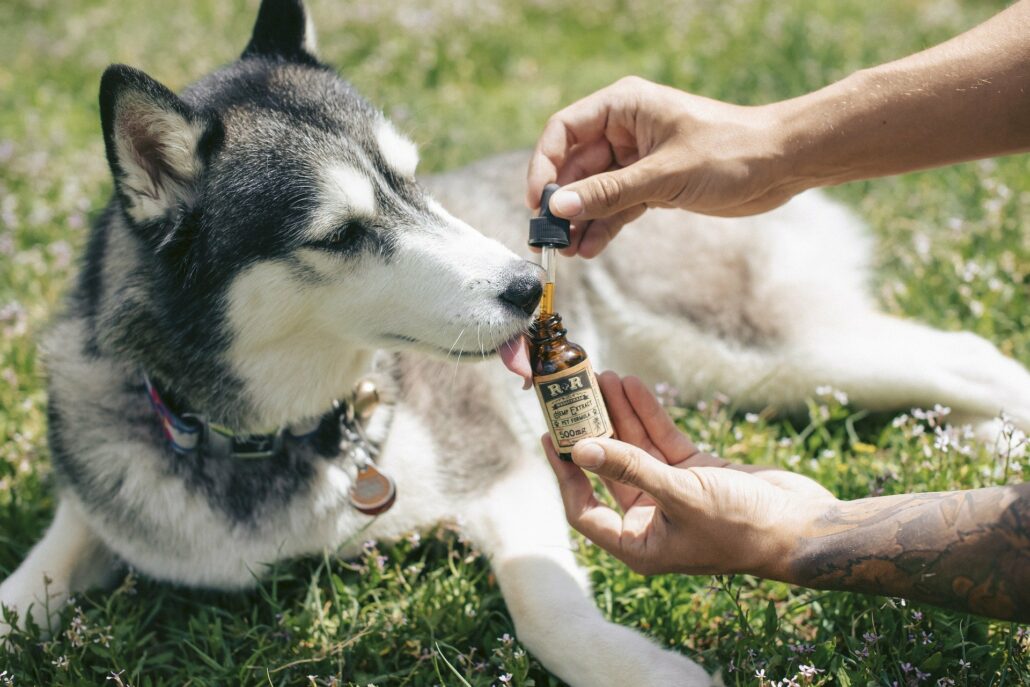
CBD for animals is typically available as:
-
Oils/tinctures (most precise dosing)
-
Soft chews
-
Capsules
-
Topical balms
Oils allow for more accurate measurement, especially in smaller pets.
Safety Considerations and Side Effects
CBD is generally considered well tolerated in many animals, but it is not risk-free.
Possible side effects may include:
-
Mild drowsiness
-
Gastrointestinal upset
-
Changes in appetite
-
Temporary drop in blood pressure
More importantly, CBD may interact with other medications by affecting liver enzyme activity. Always disclose CBD use to your veterinarian.
When to Avoid CBD
Avoid or use extreme caution if your pet:
-
Is pregnant or nursing
-
Has significant liver disease
-
Is on medications with narrow dosing ranges
-
Has shown sensitivity to hemp products
The Importance of Veterinary Guidance
Before introducing CBD, consult a licensed veterinarian. A professional can:
-
Evaluate whether CBD is appropriate
-
Check for drug interactions
-
Suggest dosing parameters
-
Monitor progress over time
Self-prescribing, even with natural products, can lead to unintended complications.
Legal and Regulatory Considerations
Regulations surrounding CBD vary by region. In many areas:
-
Hemp-derived CBD with low THC is legal
-
THC-rich cannabis products remain restricted
-
Veterinarians may face limitations in discussing cannabis products
Pet owners should verify local laws and purchase from reputable companies operating within regulatory standards.
Responsible Use Means Realistic Expectations
CBD is not a miracle cure. Responsible use involves:
-
Setting practical goals
-
Tracking observable changes
-
Combining with appropriate medical care
-
Discontinuing use if no measurable benefit is seen
Wellness decisions should be evidence-informed rather than trend-driven.
Frequently Asked Questions (FAQ)
1. Can CBD make my pet feel “high”?
No. Properly formulated hemp-derived CBD products contain either no THC or only trace legal amounts, which do not produce intoxication.
2. How long does it take to see results in pets?
Some animals show changes within a few days, while others may require several weeks of consistent use. Effects vary by condition and individual response.
3. Is CBD safe for cats as well as dogs?
CBD may be used in cats, but feline metabolism differs from dogs. Dosing and product selection should be species-specific and veterinarian-approved.
4. Can I give my pet the same CBD oil I use?
Not without veterinary approval. Human products may contain ingredients unsafe for animals or incorrect concentrations for their body weight.
5. Will CBD replace my pet’s prescription medication?
CBD should not replace prescribed treatments unless specifically directed by a veterinarian. It may serve as a complementary support option.
6. What should I do if my pet experiences side effects?
Stop use immediately and consult your veterinarian. Provide details about dosage, timing, and the product used.
7. How do I know if the CBD product is high quality?
Look for transparent labeling, third-party lab testing, clear dosing instructions, and a manufacturer that provides accessible customer support and safety information.