
 By
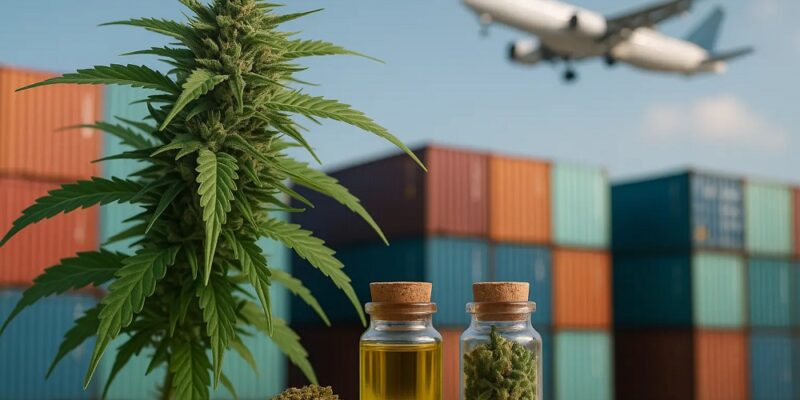
By The global cannabis industry has shifted from isolated domestic markets to a structured international trade network. As more governments permit medical and, in some cases, adult-use cannabis, cross-border commerce is becoming a significant economic driver. Export-focused cultivation hubs are emerging, trade regulations are maturing, and supply chains are evolving to meet pharmaceutical-grade standards.
This article examines where the strongest export opportunities lie, which countries are leading the trade, and what businesses must consider when entering international cannabis markets.
The Global Cannabis Trade Landscape
International cannabis trade primarily revolves around medical cannabis and pharmaceutical derivatives. While recreational use is legal in some jurisdictions, cross-border shipment of adult-use cannabis remains limited due to international treaty obligations and national regulations.
Key Drivers of Growth
Several factors are accelerating export activity:
- Medical legalization across Europe, Latin America, and Asia-Pacific
- Increasing demand for GMP-certified cannabis products
- Favorable climates in certain regions reducing production costs
- Rising interest in cannabinoid-based pharmaceuticals
- Expansion of industrial hemp markets for CBD and fiber
Countries with lower production costs and advanced agricultural infrastructure are well-positioned to serve higher-cost consumer markets.
Leading Cannabis Exporting Countries
1. Canada
Canada was one of the first countries to legalize cannabis at the federal level, giving its producers a regulatory advantage. Canadian companies export:
- Dried flower
- Cannabis oils
- Pharmaceutical-grade extracts
Strict compliance systems and advanced cultivation facilities allow Canadian firms to meet European Union Good Manufacturing Practice (EU-GMP) standards.
2. Colombia
Colombia has positioned itself as a low-cost production hub due to its favorable climate and lower labor costs. The country exports:
- CBD extracts
- Dried cannabis flower (in select markets)
- Bulk cannabis oil for manufacturing
Government support and streamlined licensing have strengthened its international footprint.
3. Portugal
Portugal has become a European cultivation base for multinational cannabis companies. Advantages include:
- EU membership
- Access to the European market
- Strong agricultural conditions
- Regulatory alignment with pharmaceutical standards
4. Uruguay
As an early adopter of national legalization, Uruguay exports medical cannabis products primarily to Latin America and Europe. Its regulatory framework supports both medical and adult-use production, though export volumes remain modest compared to larger producers.
Major Import Markets
1. Germany
Germany is currently Europe’s largest medical cannabis importer. Domestic production remains limited, creating strong demand for foreign suppliers that meet EU-GMP certification standards.
2. Australia
Australia imports medical cannabis products to supplement domestic supply. Strict pharmaceutical oversight creates opportunities for certified exporters.
3. United Kingdom
The UK’s medical cannabis market is expanding gradually. Imports account for most patient prescriptions, offering potential growth for compliant foreign producers.
Industrial Hemp and CBD Trade
Beyond medical cannabis, industrial hemp exports present substantial opportunities. Hemp-derived products include:
- CBD extracts
- Hemp fiber
- Textiles
- Construction materials
- Nutritional supplements
Countries such as China dominate hemp fiber exports, while North and South American producers focus heavily on CBD extraction for global distribution.
Regulatory and Compliance Considerations
Exporting cannabis involves complex regulatory layers. Businesses must navigate:
Licensing Requirements
- Export permits from the origin country
- Import permits from the destination country
- Controlled substance authorizations
Quality Standards
- EU-GMP certification
- Pharmaceutical-grade processing
- Laboratory testing for potency and contaminants
International Treaties
The global cannabis trade is influenced by United Nations drug control conventions, which restrict recreational trade but allow medical and scientific use under strict oversight.
Non-compliance can result in shipment seizures, license revocations, or financial penalties.
Logistics and Supply Chain Challenges
Transporting cannabis products internationally requires specialized logistics planning:
- Temperature-controlled shipping
- Secure packaging and tracking
- Insurance coverage for high-value cargo
- Customs clearance documentation
Delays can occur due to regulatory inspections, making experienced logistics partners essential.
Emerging Opportunities in Developing Markets
Several emerging regions are shaping the future of cannabis exports:
Latin America
Countries with agricultural advantages are expanding cultivation for international markets.
Africa
Select nations are granting export licenses to attract foreign investment and develop rural economies.
Asia-Pacific
Although highly regulated, some countries are cautiously opening medical cannabis import channels.
As legal frameworks evolve, new bilateral agreements may unlock additional trade corridors.
Investment and Economic Impact
The cannabis export sector contributes to:
- Job creation in agriculture and processing
- Pharmaceutical research and innovation
- Infrastructure development
- Foreign direct investment
For developing economies, cannabis exports can diversify agricultural output and generate foreign exchange earnings.
However, long-term success depends on regulatory stability and international acceptance.
Risk Factors in Global Cannabis Trade
Businesses must account for several risks:
- Regulatory changes or reversals
- Price compression due to oversupply
- Banking and payment processing limitations
- Political and treaty constraints
Strategic planning and market diversification are essential to mitigate these risks.
Future Outlook
The trajectory of cannabis exports will depend largely on:
- Expanded medical legalization
- Harmonization of international standards
- Pharmaceutical research breakthroughs
- Shifts in global drug policy
While recreational cross-border trade remains restricted, medical cannabis and hemp-derived products are likely to drive continued international growth.
As governments refine regulatory frameworks, international cannabis trade is transitioning from a niche sector into a structured global industry.
Frequently Asked Questions (FAQ)
1. Which cannabis products are most commonly exported internationally?
Medical cannabis oils, dried flower for pharmaceutical use, bulk extracts, and CBD isolates are the most commonly traded products across borders.
2. Why is EU-GMP certification important for exporters?
EU-GMP certification ensures pharmaceutical-grade manufacturing standards, which are required by many European importing countries.
3. Can recreational cannabis be exported legally?
In most cases, no. International treaties primarily allow trade for medical and scientific purposes under strict regulatory controls.
4. What makes certain countries competitive exporters?
Favorable climate, low production costs, regulatory support, and access to international quality certifications give countries a competitive edge.
5. How does hemp differ from medical cannabis in trade terms?
Hemp typically contains low THC levels and is traded more broadly for fiber, food, and CBD products, often under less restrictive regulations.
6. What are the biggest challenges for cannabis exporters?
Complex licensing procedures, compliance costs, shipping logistics, and shifting regulatory landscapes present ongoing challenges.
7. Is the global cannabis export market expected to grow?
Yes. As medical legalization expands and regulatory standards harmonize, international trade volumes are expected to increase steadily.